How to Choose a Windscreen Sun Visor Australia 2026 – Complete Buyer’s Guide
Choosing the right windscreen sun visor in Australia isn’t just about blocking the sun. it’s about surviving our harsh UV levels, extreme heat, and fitting today’s popular vehicles like the Ford Ranger, Toyota HiLux, and RAV4.
carsguide.com.au5 Key Factors to Consider
- Fit for Your Car Model
Universal shades often leave gaps on curved windscreens. Custom-fit options for Australian makes (Toyota, Ford, Isuzu, Mitsubishi) provide full coverage. - Heat and UV Protection
Look for shades claiming 95%+ UV block and reflective silver backing. Quality ones can reduce interior temps by 10–20°C. snapshades.com - Ease of Installation & Storage
Clip-on, suction, or foldable styles. Avoid bulky ones if you have limited boot space. - Durability in Aussie Conditions
Multi-layer materials with reinforced edges resist fading and tearing. - Extra Features
Side window shades, baby/magnetic options, or UPF50+ ratings.
Car Model Cheat Sheet (Popular 2025–2026 Models): How to Choose a Windscreen Sun Visor
- Ford Ranger: Needs wide coverage for big windscreens.
- Toyota HiLux: Custom recommended for tray-back variants.
- Toyota Corolla/RAV4: Slimmer fits for sedans/SUVs.
- Isuzu D-Max: Heavy-duty for utes.
Common Mistakes to Avoid: Buying too cheap (poor reflection), ignoring storage, or wrong size that slips.Final Checklist before buying.Conclusion: Match the visor to your car and lifestyle for maximum protection. Browse Recommended Visors by Car Model
Before buying, check out: How to Choose a Windscreen Sun Visor
But choosing the right one depends on your car, usage, and budget/How to Choose a Windscreen Sun Visor
1. Understand the Main Types
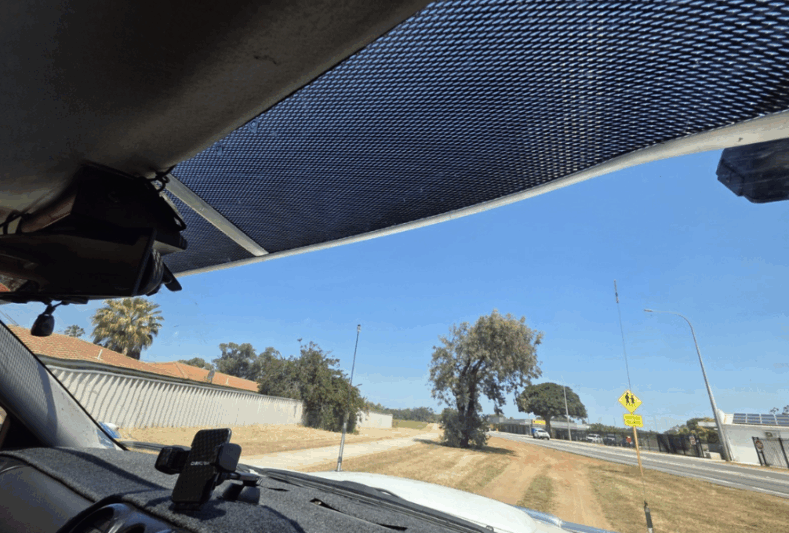
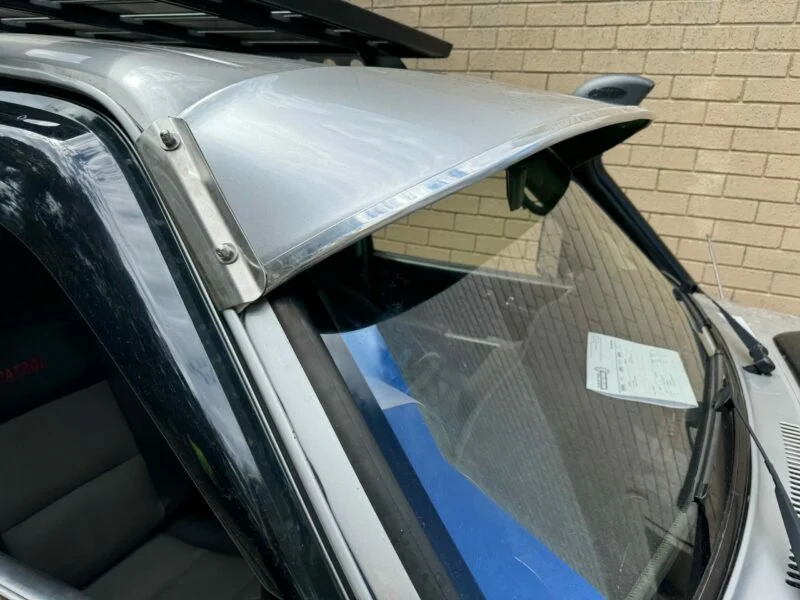
✔️ 1. External Windscreen Sun Visors (4WD Style)
- Mounted above the windscreen (common on LandCruiser, Patrol, Hilux)
- Best for driving glare protection
- Durable and aggressive look
- Often requires drilling for installation
👉 Best for: 4WDs, off-road vehicles, Aussie outback driving
✔️ 2. Interior Foldable Sun Shades
- Placed inside the windscreen when parked
- Reflect heat and UV rays
- Foldable, portable, budget-friendly
👉 Best for: Everyday drivers, city cars, heat protection
✔️ 3. Tinted Sun Strips (Sticker Visors)
- Applied to the top of the windscreen
- Reduces glare while driving
- Legal if within Australian regulations
👉 Best for: Subtle look + daily glare reduction
✔️ 4. Clip-On Visor Extenders
- Attach to your existing visor
- Adjustable and removable
- Great for low-angle sun (sunrise/sunset)
👉 Best for: Extra flexibility without modifications for Sun Visor for Australian Cars
2. Choose the Right Material
Material affects durability, heat resistance, and price:
- Metal (Aluminium)
- Strong, long-lasting
- Excellent UV reflection
- Premium option
- Polyester / Reflective Fabric
- Lightweight and foldable
- Great for heat reduction
- Common in interior shades
- Plastic (PVC)
- Budget-friendly
- Lightweight but less durable
- Fiberglass / Composite
- High durability + heat resistance
- Used in heavy-duty external visors
3. Fitment Matters (VERY Important)
A poor fit = poor performance.
✔ Look for:
- Vehicle-specific models (e.g., Toyota LandCruiser 80 Series)
- Exact size matching your windscreen
- Coverage across full width
👉 In Australia, many visors are custom-made for specific vehicles for better performance and aesthetics.
4. Consider Australian Conditions
Australia = extreme UV + heat.
So prioritize:
- UV resistance
- Heat reflection (silver/gold reflective layers)
- Fade-resistant materials
- Durability for long-term exposure
Some visors are specifically designed and tested for Aussie conditions, which makes a big difference.
5. Installation Type
- DIY (Interior shades, tint strips) → Easy, no tools
- Bolt-on / Drill-mounted (External visors) → Permanent, stronger fit
👉 If you want a premium look → go external
👉 If you want convenience → go foldable
6. Legal & Safety Considerations (Australia)
Before buying:
- Ensure visor doesn’t block driver visibility
- Tint strips must comply with local regulations
- Avoid overly dark or oversized visors
7. Price Guide (Australia 2026)
- Interior foldable shades → $10 – $40 AUD
- Tint strips → $20 – $100 AUD
- Clip-on extenders → $20 – $80 AUD
- External 4WD visors → $400 – $500+ AUD
8. Quick Buying Checklist ✅
Before you buy, ask:
- Does it fit my exact car model?
- Is it for driving or parking?
- Can it handle Australian heat?
- Easy install or permanent mount?
- Does it match my style (clean vs rugged)?
🔥 Pro Tip (Most People Get This Wrong)
Many buyers choose based on looks—but the real priority should be:
👉 Fitment + UV protection + usage type/ car sun visors australia
A cheap visor that fits perfectly will outperform an expensive one that doesn’t.
Final Recommendation
- Daily city drivers: Go for reflective foldable sunshade
- 4WD / off-road/ truck sun visors australia: Invest in a solid external visor
- Style + practicality: Add a tinted sun strip
Enjoyed our How to Choose a Windscreen Sun Visor article? do check out our store : How to Choose a Windscreen Sun Visor