Custom vs universal sun visors — which is right for your vehicle? We compare fit, protection, cost, and durability to help Australian drivers make the best choice. Read our 2026 guide.
If you’ve ever squinted through a glaring Australian sunrise on your morning commute, or returned to a parked car that felt like a furnace, you already know why a quality windscreen sun visor matters. What you might not know is that the choice between a custom-fit and a universal sun visor makes a far bigger difference than most drivers realise.
Australia is one of the harshest sun environments on the planet. According to the Australian Radiation Protection and Nuclear Safety Agency (ARPANSA), peak UV Index values in Australian summer regularly exceed 12–14, and can reach 16–17 at northern latitudes — levels classified as extreme. A recent study commissioned by mycar Tyre & Auto found that 70% of Australians wrongly believe they are fully protected from the sun while inside a car. They are not — and a poorly fitted sun visor only makes things worse.
So: custom or universal? Let’s break it down properly.
What Is a Custom Sun Visor?
A custom-fit sun visor — also called a vehicle-specific or OEM-style visor — is manufactured to the precise dimensions of a particular make, model, and year of vehicle. Whether you drive a Toyota Land Cruiser 79 Series, a Ford Ranger PX, a Nissan Patrol GU, or a Mitsubishi Triton, a custom visor is engineered specifically for your windscreen shape, rake angle, and roofline.
Custom external windscreen sun visors are typically fabricated from steel, stainless steel, or aluminium, and mount directly to the vehicle’s existing bolt holes or roof channels. They sit above the windscreen as a permanent external fixture, shading the glass from above and dramatically reducing glare and interior heat.
What Is a Universal Sun Visor?
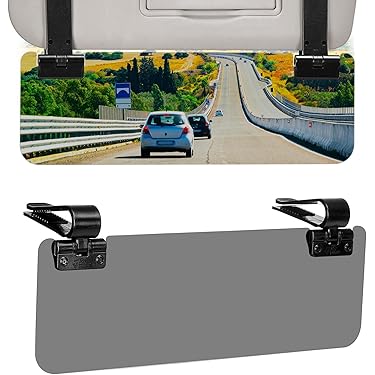
A universal sun visor is designed to fit a broad range of vehicles rather than one specific model. These are typically made from acrylic, polycarbonate, or ABS plastic and use adhesive tape or generic brackets for installation. You’ll find them sold across automotive accessory shops and online marketplaces, often at a noticeably lower price point.
Universal visors are available in standard sizes (small, medium, large) and are marketed as compatible with “most vehicles.” While that sounds appealing, the reality is more nuanced.
Custom vs Universal: The Key Differences
1. Fit and Coverage
This is where the gap between the two options is most stark.
Custom visors are engineered to the exact windscreen dimensions of your vehicle. Husky Liners notes that custom-fit products are “manufactured to the exact dimensions of a particular make or model, guaranteeing a perfect fit with minimal gaps and voids.” No light bleeds in from the edges. No awkward overhang on one side. The visor sits exactly where it should, every time.
Universal visors, by contrast, rely on approximate sizing. A product labelled “large” may fit a Ford Falcon adequately but leave significant gaps on a wider-cabbed Isuzu NPS. Research by the Automotive Accessories Association found that nearly 70% of consumers reported dissatisfaction with universal visors due to alignment issues — gaps that let in precisely the kind of angled morning or afternoon sun you were trying to block.
For Australian 4WDs and utes that spend time on corrugated outback tracks or dusty station roads, a visor that doesn’t sit flush is also a visor that catches wind, vibrates, and eventually works its mount loose.
Verdict: Custom wins clearly.
2. Sun and UV Protection
A visor that doesn’t fully cover your windscreen is a visor doing half a job. Given that <a href=”https://www.arpansa.gov.au/understanding-radiation/radiation-sources/more-radiation-sources/sun-exposure/frequently-asked-questions” target=”_blank” rel=”noopener”>two in three Australians will be diagnosed with skin cancer by age 70</a>, reducing UV exposure wherever possible — including in the car — genuinely matters.
Custom steel and stainless steel windscreen visors provide a solid, opaque barrier across the entire upper windscreen. Because they’re mounted externally and engineered to your vehicle’s profile, they intercept direct sunlight before it reaches the glass. This not only reduces glare but keeps the entire cabin cooler, protecting your dashboard, steering wheel, and seats from UV degradation and heat damage.
Universal visors, particularly those made from smoked acrylic, do filter some UV — but the gaps created by imprecise fit mean sunlight still enters at the edges. For long-haul drivers, tradies, and anyone spending significant time behind the wheel in the Australian sun, those gaps are not a minor inconvenience. They are a real and ongoing source of UV exposure.
Verdict: Custom wins on protection.
3. Durability and Materials
Custom steel windscreen visors built for the Australian market are designed with conditions like corrugated outback tracks, coastal salt air, and extreme summer heat in mind. Quality units are fabricated from zinc anneal steel, stainless steel, or powder-coated aluminium — materials that resist corrosion, hold their shape under vibration, and last the life of the vehicle with minimal maintenance.
Universal acrylic and polycarbonate visors face a tougher time in the Australian climate. UV itself — ironically — degrades acrylic over time. Cheaper units can yellow, crack, and become brittle within two to three seasons in harsh Queensland or Northern Territory sun. Mounting hardware on generic visors is also rarely tested for the vibration profiles of Australian 4WD tracks.
According to ExtremeTerrain’s guide to aftermarket sun visors, OEM-style and vehicle-specific visors are specifically recommended for off-road and overlanding use precisely because generic universal options fail under sustained vibration and rough terrain conditions.
Verdict: Custom wins on durability.
4. Installation
This is the one area where universal visors genuinely have an edge — for some drivers.
Universal visors typically use adhesive tape or slip-on brackets and require no drilling or vehicle-specific knowledge to install. You can fit one in a car park in under ten minutes. That accessibility is a real advantage if you’re mechanically less confident or need a quick solution.
Custom steel windscreen visors require mounting to specific bolt holes or roof channels and may involve basic hand tools. That said, most vehicle-specific visors are engineered so that installation is straightforward if you follow the instructions — and once fitted correctly, they require no ongoing adjustment, re-taping, or repositioning.
Verdict: Universal is easier to install. Custom is more secure once fitted.
5. Cost
Universal visors are cheaper upfront, typically ranging from $30 to $150 for most acrylic options. Custom steel windscreen visors for specific Australian vehicles — Land Cruisers, Hilux, Patrol, Rangers — generally range from $400 to $550, reflecting the materials, manufacturing precision, and vehicle-specific engineering involved.
The question worth asking, however, is not “which costs less today?” but “which costs less over five years?” A universal acrylic visor that cracks or detaches after two summers and needs to be replaced is not cheaper than a custom steel visor that outlasts the vehicle. For tradies and 4WD owners logging serious kilometres in tough conditions, the custom visor pays for itself in reliability alone.
Verdict: Universal wins on upfront price. Custom wins on long-term value.
6. Appearance and Resale Value
A well-fitted custom steel sun visor is an OEM-style addition that looks like it belongs on the vehicle. It integrates with the roofline and adds to the working-vehicle aesthetic that most Land Cruiser, Hilux, and Patrol owners are going for. Many buyers in the second-hand 4WD market actively look for vehicles fitted with quality accessories — a custom steel visor can add to resale appeal.
A poorly fitted universal visor — slightly misaligned, with lifting edges or generic mounting hardware — can look afterthought rather than enhancement. Given that you’re spending hundreds of dollars either way, the visual result matters.
Verdict: Custom wins on appearance and resale.
So Who Should Choose What?
Choose a custom-fit sun visor if:
- You own a specific make and model that has a custom visor available
- You drive regularly in harsh Australian conditions — outback, coastal, or remote
- You want permanent, long-term protection without maintenance hassle
- You value interior protection, glare reduction, and proper UV shielding
- You drive a 4WD, ute, or working vehicle where quality accessories matter
A universal visor may work for you if:
- You need a quick, temporary solution while waiting for a custom option
- You own a less common vehicle model with no custom visor available
- You need to swap the visor between multiple vehicles
- Budget is the primary constraint and conditions are relatively mild
The Australian Sun Demands the Right Tool
Australia has some of the highest UV radiation levels in the world, with advising that just 15 minutes of unprotected exposure when the UV Index is 3 or above is enough to start damaging skin. When you’re driving into a low morning sun on the Bruce Highway or crawling across the Gibb River Road in 40-degree heat, your windscreen visor isn’t a luxury accessory — it’s a legitimate piece of protective equipment.
A custom-fit steel windscreen sun visor, engineered to your exact vehicle, is the clear winner for Australian conditions in almost every meaningful category: fit, UV protection, durability, materials, and long-term value. The only real advantage of a universal visor is its lower upfront cost and ease of installation — worthwhile considerations, but rarely decisive ones when you factor in how much time Australians spend behind the wheel.
Browse Custom Sun Visors for Your Vehicle
At Sunvisors AU, we stock custom-fit steel and mesh windscreen sun visors for over 130 Australian vehicle models — including Toyota Land Cruiser, Hilux, Prado, HiAce, Ford Ranger, Falcon, Nissan Patrol, Navara, Mitsubishi Triton, Isuzu D-Max, and many more.
Every visor is engineered to fit your specific make, model, and year — no gaps, no guesswork, no universal compromise.
👉 Browse our full range of custom sun visors →
Also check out
custom sun visor vs universal sun visor
are custom sun visors better than universal
best sun visor for cars Australia
universal sun visor for cars
car sun visor buying guide Australia
vehicle specific sun visor vs universal fit
which sun visor is better for heat protection
custom fit windscreen sun visor
external sun visor vs interior sunshade